Leon Reed · 29 September 2026
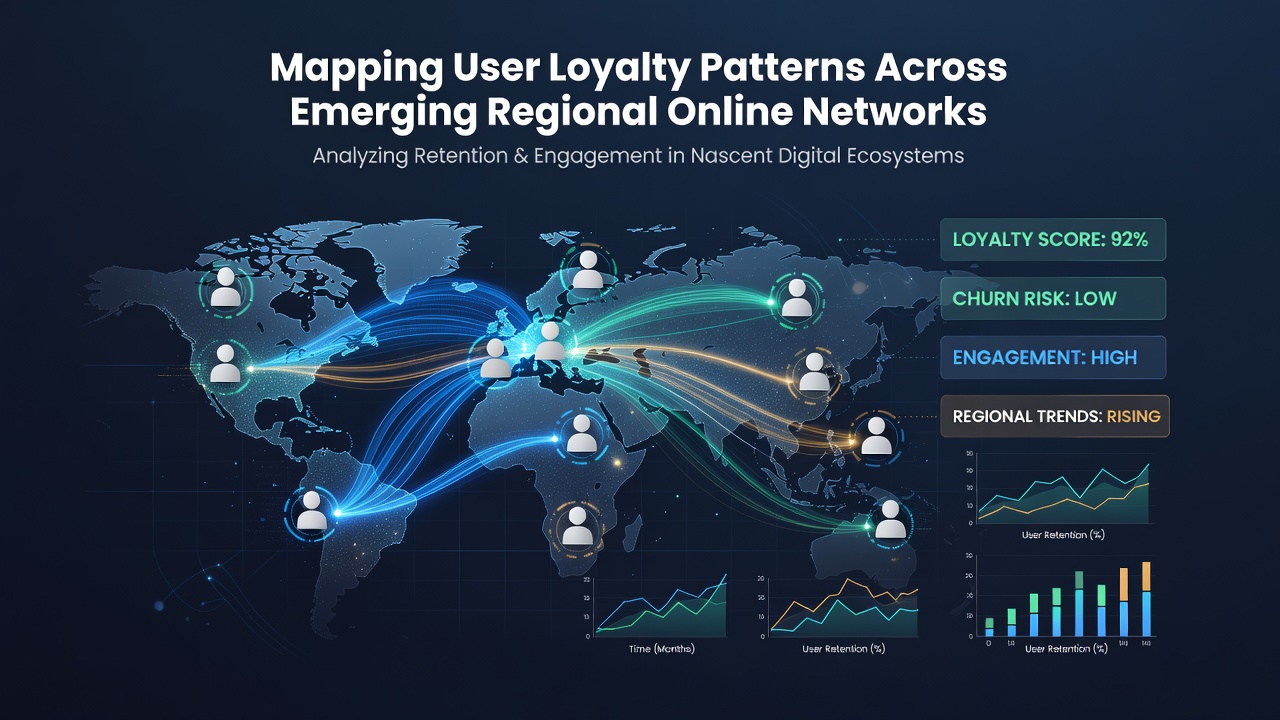
Mapping User Loyalty Patterns Across Emerging Regional Online Networks
Emerging regional online networks have expanded rapidly since the mid-2020s, creating distinct ecosystems where user loyalty develops through localized interactions rather than global platform dominance. Data from multiple studies show that loyalty patterns vary significantly by region because cultural, economic, and infrastructural factors shape how people engage with digital communities over time. Researchers tracking these networks in Asia, Africa, and Latin America report that retention metrics often hinge on language support, payment integration, and content relevance instead of broad advertising reach.
Regional Variations in Loyalty Metrics
Analyses conducted through 2025 and into September 2026 reveal clear differences in how loyalty forms across continents. In Southeast Asian networks, users demonstrate higher retention when platforms incorporate local payment systems and vernacular content, according to findings from regional digital economy reports. African networks, by contrast, show loyalty tied closely to community moderation and offline event linkages, with data indicating that users return more frequently when networks facilitate real-world meetups alongside online activity. Latin American platforms record stronger patterns when short-form video features align with regional entertainment preferences, while European emerging networks emphasize privacy controls that influence long-term engagement.
One study revealed that repeat visit rates climbed 18 percent in networks offering region-specific recommendation algorithms compared with generic global models. Observers note these differences because user behavior data collected through platform analytics consistently points to localized triggers rather than universal ones. And because infrastructure gaps persist in many areas, loyalty often depends on mobile-first design that accommodates intermittent connectivity.
Data Sources and Mapping Techniques
Mapping efforts rely on anonymized behavioral datasets combined with survey responses from network operators and academic institutions. Pew Research Center studies on digital adoption provide baseline comparisons for how users in different regions allocate time across platforms. Researchers cross-reference these figures with traffic logs from local networks to identify loyalty clusters, which appear as dense interaction zones around shared interests or geographic proximity.
Techniques include graph analysis that visualizes connections between users, content categories, and session durations. Figures from Canadian digital economy assessments indicate that networks emphasizing user-generated regional news maintain steadier engagement curves than those focused on imported media. These methods allow analysts to segment users into cohorts based on activity frequency and content contribution rates without relying on self-reported data alone.
Case Examples from Specific Networks
Take one network operating across East Africa that integrated agricultural market information into its core feed. Usage logs showed loyalty spikes during planting and harvest seasons, with users returning daily when real-time price updates proved accurate. Another platform in South Asia built loyalty through language translation layers that enabled cross-dialect conversations, resulting in extended session times documented in operator reports. In South America, a network centered on local music and event listings recorded higher retention among younger cohorts when push notifications aligned with regional festival calendars.
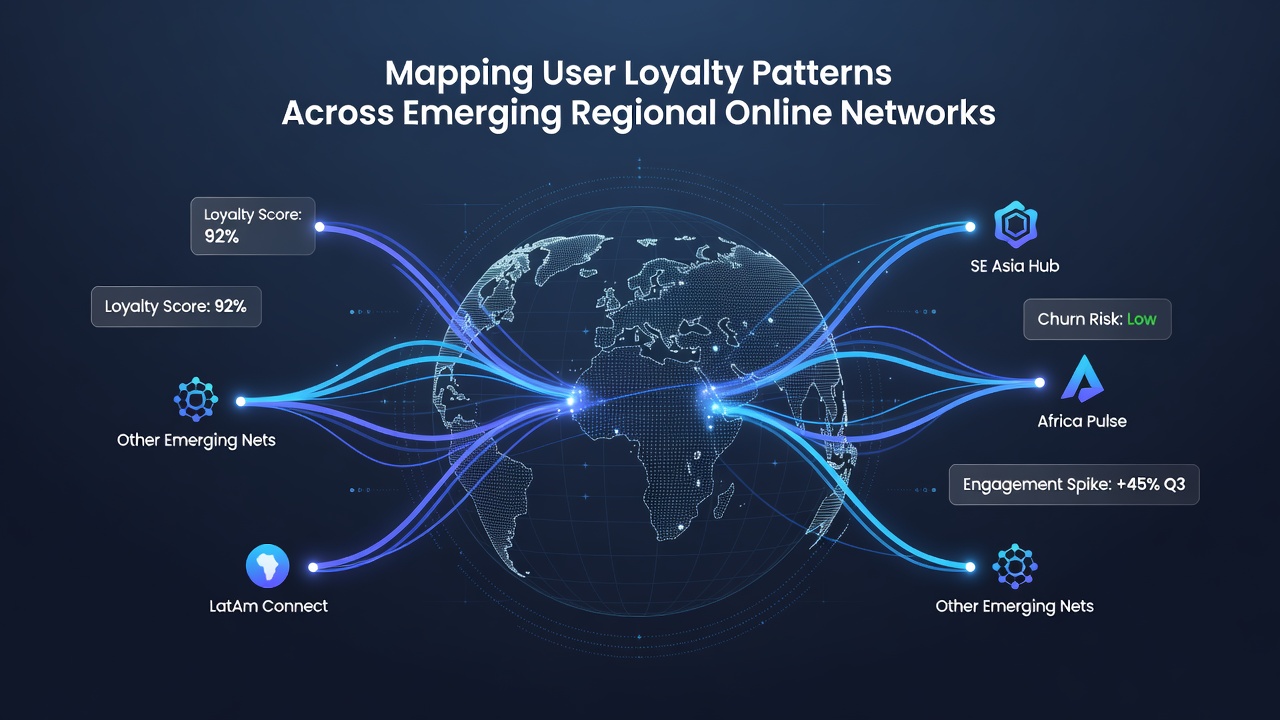
What's interesting here is how external events influence these patterns. Economic shifts or regulatory changes in one country often ripple through connected networks, altering loyalty trajectories in measurable ways. Data collected in September 2026 captured temporary dips followed by rebounds once platforms adjusted features to address user feedback on transaction security and content moderation.
Factors Driving Sustained Engagement
Multiple variables affect whether users remain active in these networks. Trust in data handling ranks high in regions with strict privacy regulations, while seamless integration with local services drives loyalty where digital payments are still evolving. Studies from Australian communications authorities highlight that networks offering transparent moderation policies experience lower churn rates during periods of social tension. Economic accessibility also plays a role, because users in lower-bandwidth environments favor lighter applications that load quickly and consume minimal data.
Network operators have observed that loyalty strengthens when features evolve in response to aggregated user behavior rather than top-down mandates. This approach allows patterns to emerge organically, such as preference clusters around educational content in one region or entertainment in another. The ball remains in the operators' court to refine these mappings continuously as new data arrives.
Conclusion
Mapping user loyalty across emerging regional online networks requires ongoing analysis of localized data streams and behavioral indicators. Evidence from diverse geographic sources demonstrates that successful retention stems from alignment with regional priorities rather than standardized global strategies. As networks mature through 2026 and beyond, the ability to track and respond to these patterns will determine which platforms maintain active user bases over extended periods.